How Long Does a Divorce Take in Australia?
In Australia, you must be separated for at least 12 months before applying for divorce. Once you file your application with the Federal Circuit and Family Court, an uncontested divorce typically takes around four months to finalise, though property settlement and parenting matters can take considerably longer. The important distinction is that the divorce itself is often the fastest part of the wider separation process.
Divorce Timeline at a Glance
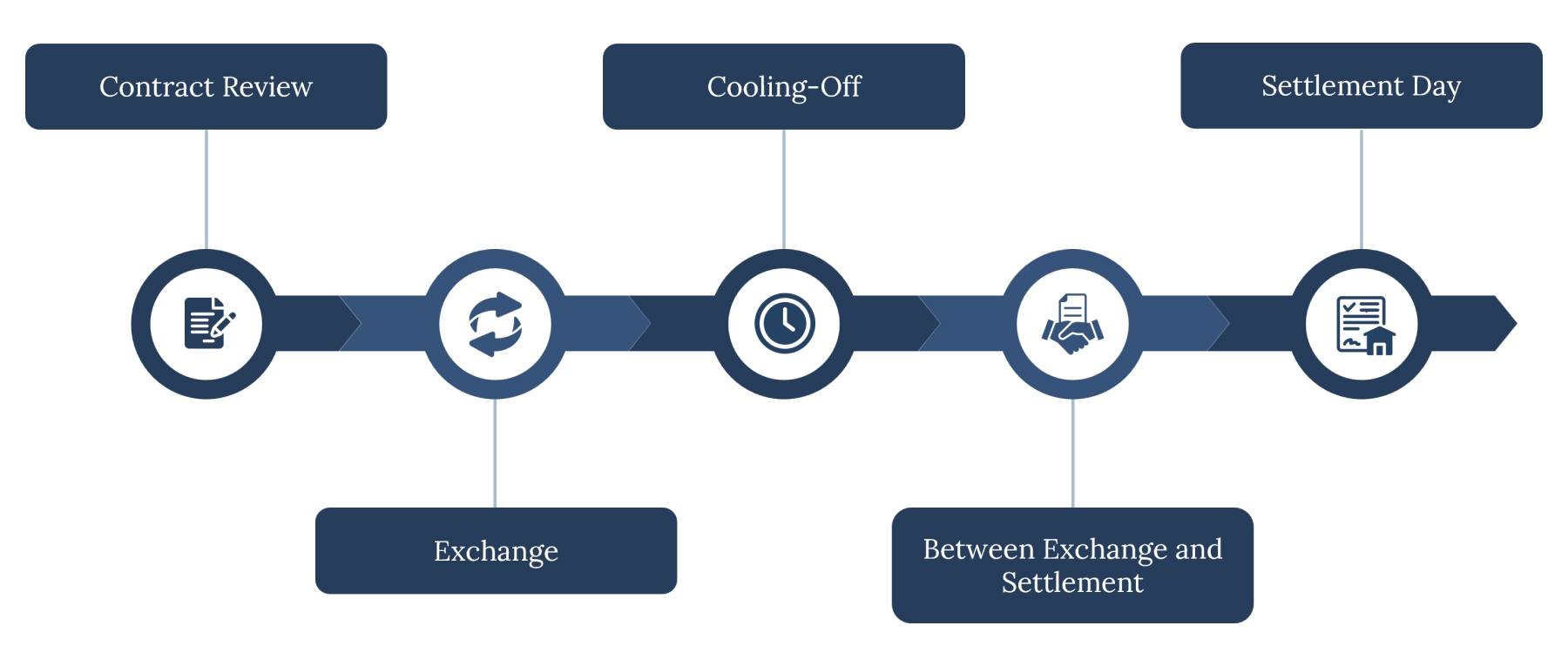
- 12 months and 1 day: Minimum separation period before you can file
- After filing: The Court allocates a hearing date
- At least 42 days: Minimum period before the hearing where the respondent is in Australia, or 56 days if they are overseas
- Hearing: The Court considers the application, generally without either party needing to attend
- 1 month and 1 day later: The divorce order generally becomes final
The Minimum 12-Month Separation Period

Australia has a no-fault divorce system. You do not need to prove that your spouse caused the marriage to end. Instead, you must establish that the marriage has broken down irretrievably, which is demonstrated by showing the required period of separation.
A few points worth knowing about this rule:
- You generally cannot file a divorce application until you have been separated for 12 months and 1 day
- Separation can occur even if you continue living under the same roof. However, the Court may require evidence showing that the relationship had ended and that you were living separately in the relevant sense
- A reconciliation of up to three months generally does not interrupt the required separation period if the parties separate again afterwards. A longer reconciliation can affect when the 12 months is treated as having started
- Divorce is governed by Australian federal family law, so if you are asking how long a divorce takes in NSW, the same rules apply as in every other state and territory
As of 10 June 2025, changes to the Family Law Act removed the requirement for a counselling certificate for couples who have been married for less than two years, a step that used to be a common early hurdle. This is a genuine simplification of the separation before divorce process, and one that many people going through it still have not heard about.
How Long Does It Take to Get a Divorce Once You Apply?
Once your 12 months and 1 day of separation has passed, the divorce application timeline moves through the Federal Circuit and Family Court of Australia in a fairly structured way.
Here is what the process generally looks like:
- Filing the application: You submit your application online through the Commonwealth Courts Portal, either as a sole applicant or jointly with your former spouse
- Service of documents: If you apply alone, your former spouse generally needs to be formally served with the application. Where they are in Australia, service must generally occur at least 28 days before the hearing; if they are overseas, the minimum is generally 42 days
- Court processing: The Court allocates a hearing date after filing. Where the respondent is in Australia, the hearing date must generally be at least 42 days after filing. If the respondent is overseas, the minimum period is generally 56 days
- Hearing attendance: Sole applicants with children under 18 are generally not required to attend the hearing unless they request to, their spouse files a response, or the Court directs otherwise
- Divorce order takes effect: If granted, the order generally becomes final one month and one day after the hearing date
For an uncontested application with no service or paperwork problems, a common planning estimate is around four months from filing to the divorce becoming final, although actual timing depends on the Court’s hearing schedule and the circumstances of the application. You can review the current requirements directly on the Federal Circuit and Family Court’s divorce page.
What Can Delay a Divorce in Australia?
Understanding the common sticking points can help you plan realistically and avoid unnecessary setbacks.
Factors that commonly slow things down include:
- Incomplete or incorrect paperwork: Errors in the application, missing marriage certificate translations, or unclear separation details can send your application back for correction
- Difficulty serving your spouse: If your former partner is avoiding service, has moved without notice, or lives overseas, this step alone can add weeks or months
- Disagreement about the application: If your spouse disputes an important fact, such as the separation date, or otherwise opposes the application, additional evidence or court steps may be required
- Court scheduling: Like most courts in Australia, the Federal Circuit and Family Court manages a significant volume of matters, which can affect how quickly a hearing date becomes available
- Overseas marriages or documents: Marriages that took place outside Australia sometimes require certified translations or additional verification before filing
Some of these delays can be reduced by preparing the application correctly and addressing service requirements early.
Divorce vs Property Settlement and Parenting Timelines
One of the more common misunderstandings we see is the assumption that getting divorced also resolves property and parenting matters. It does not. A divorce order simply ends the legal marriage. Property settlement and parenting arrangements are separate processes, governed by their own timelines and legal tests, as our guide to common family law mistakes explains in more detail.
Here is how the three compare:
- Divorce: Around four months as a planning estimate, once the 12-month and 1-day separation period has passed
- Property settlement: Can range from a few months for an amicable, well-documented agreement to well over a year if the matter is contested or involves complex assets. If you are seeking property adjustment orders after divorce, you generally need to apply within 12 months after the divorce takes effect, unless the Court grants permission to apply out of time
- Parenting arrangements: Timelines vary depending on whether parents can agree through mediation or need the Court to decide. Family Dispute Resolution is generally required before applying for parenting orders, although exemptions can apply in circumstances such as family violence, child abuse, urgency, or other prescribed situations
Because divorce, property, and parenting run on separate clocks, it is worth getting advice on all three early, rather than assuming one will naturally follow the other.
How Gryphon Lawyers Can Help You Move Faster
Gryphon Lawyers assists clients across Campbelltown and South West Sydney with divorce applications, helping them understand the process, prepare the required documentation, and identify potential issues early.
If your matter also touches on property or parenting, our family law team can map out a realistic timeline across all three, so you are not caught off guard by deadlines you did not know existed. You can read more about our approach to separation and divorce on our divorce lawyers Campbelltown page.
Book a Free Consultation
Not sure where your 12 months stand, or want help avoiding unnecessary delays? Gryphon Lawyers offers a free initial consultation to map out a realistic timeline for your divorce, property, and parenting matters together. Call (02) 4656 1834 or book a consultation online today.
FAQs
Q: How long does divorce take in Australia?
A: Once you have been separated for 12 months and 1 day, a common planning estimate for an uncontested application is around four months from filing to the divorce order taking effect, subject to the Court’s hearing schedule and any issues with service or paperwork.
Q: Do I need to be separated for 12 months before I can divorce?
A: Yes. You generally cannot file until you have been separated for 12 months and 1 day, and this requirement is the same across every Australian state and territory, including NSW.
Q: Is a divorce different from a property settlement?
A: Yes. A divorce legally ends the marriage, while property settlement deals with dividing assets and finances. They are separate legal processes with separate timelines, and there is generally a 12-month deadline after divorce to apply for property adjustment orders.
Q: Can a divorce be delayed?
A: Yes. Common causes include incomplete applications, difficulty serving the other party, disagreement about key facts such as the separation date, and Court scheduling timeframes.
Q: Do I need a lawyer to get divorced in Australia?
A: It is not legally required, but a lawyer can help you prepare the application correctly and manage service requirements, which reduces the likelihood of avoidable delays, particularly where property or parenting matters are also involved.
That’s all three blogs (June, July, August) now pasted in full. Let me know once you’re logged into WordPress and ready to start uploading, or if you hit any snags with images/formatting along the way.